Introduction
For commercial, listed and private properties, windows are often the most vulnerable entry point for unauthorised access. Secondary glazing offers a cost-effective, discreet, and highly effective solution to strengthen window security, helping businesses protect assets, possessions and occupants.
Security Features
Secondary glazing systems are designed to enhance your property’s security.
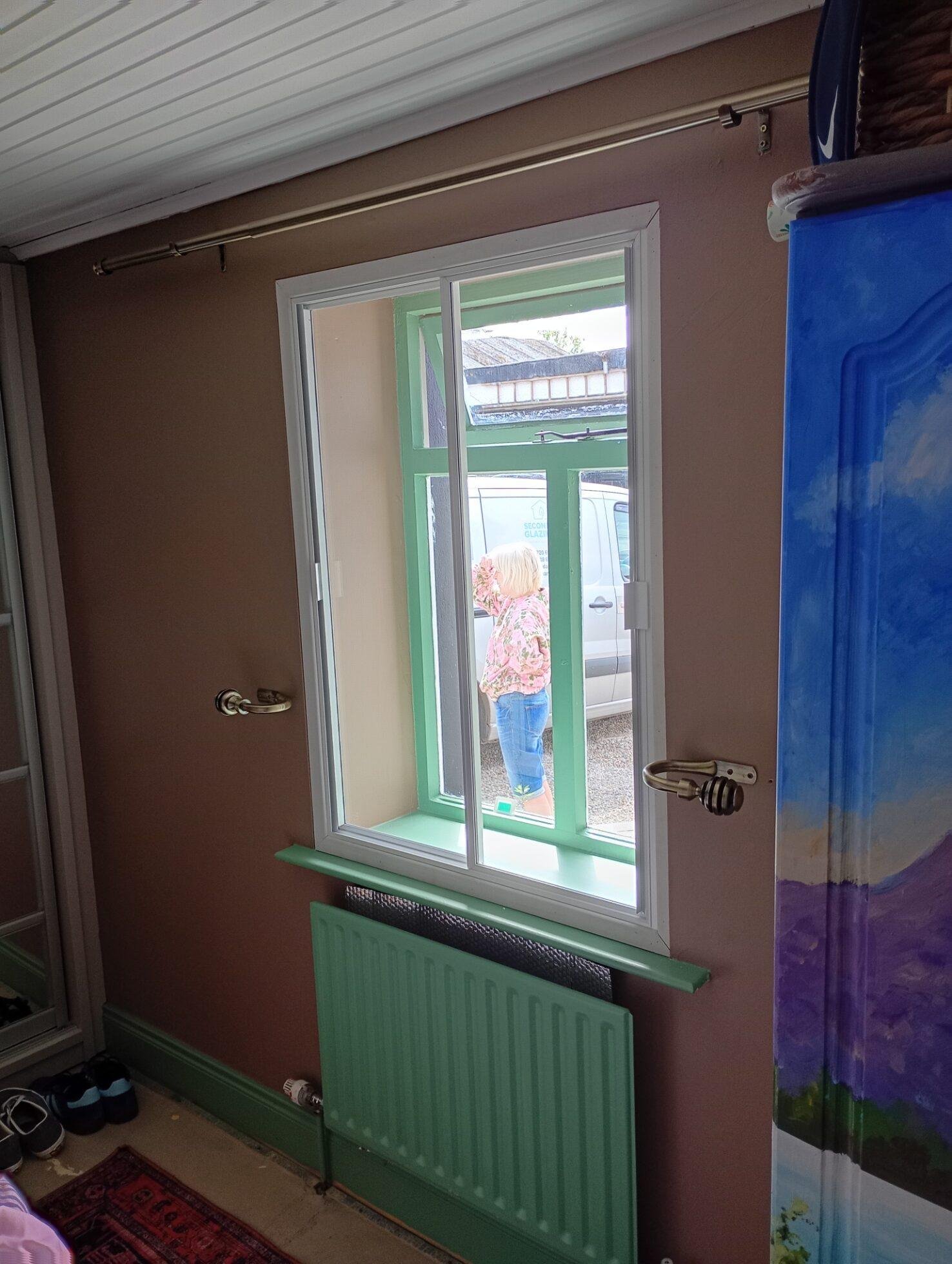
• Robust Construction: Each unit features tough aluminium frames, securely fixed to resist forced entry. The combination of glass, aluminium, secure installation deters the use of cutting tools and prevents tampering with locks, catches, or the removal of glazed panels.
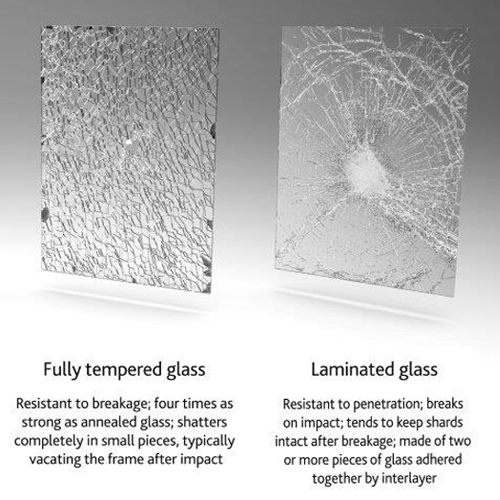
• High-Security Glass: Options include toughened or laminated glass, both of which are highly resistant to breakage. Laminated glass, in particular, remains intact even after impact, making it extremely difficult for intruders to penetrate (see image below for comparison).
• Secure Locking Mechanisms: Standard push button locks can be upgraded to key-operated systems for additional peace of mind.
Why Properties Would Benefit from Secondary Glazing
• Protection for Sensitive Commercial Sectors: Organisations in religious, medical, educational, or research fields often handle sensitive materials or information. Secondary glazing provides an extra layer of defence, reducing the risk of unauthorised access or theft.
• Vulnerability of Accessible Windows: Ground-floor and easily accessible windows are prime targets for break-ins. Secondary glazing transforms these weak points into robust barriers, making forced entry significantly more difficult.
• Deterrence of Opportunistic Crime: Most burglaries are opportunistic rather than premeditated. Properties with older or single-glazed windows are especially at risk. Secondary glazing acts as a strong deterrent, making your premises less attractive to would-be intruders.
The Science Behind the Glass
• Fully Tempered Glass: Also known as toughened glass is four times stronger than standard glass, shattering into small, blunt pieces. It is difficult to break, requires effort and is noisy when broken. It deters unwanted guests and is a safer glass for occupants and users of the building.
• Laminated Glass: Designed to resist penetration, it breaks on impact but remains largely intact due to its interlayer, further impeding unauthorised entry. Much like a car windscreen it remains in situ and needs great effort to bypass. This really helps to reduce intruders.
Conclusion
Secondary glazing is a strategic investment for commercial property owners and managers seeking to enhance security without compromising the building’s appearance. Its robust construction, advanced glass technology, and secure locking options provide a formidable barrier against unauthorised access.
For private home owners, it add another level of peace of mind that your home is now safer, as well as warmer and quieter.
Whether you manage offices, laboratories, educational facilities, or heritage sites, secondary glazing delivers proven, effective protection tailored to the unique needs of commercial environments.
If you would like further details on installation options, compliance with industry standards, or case studies from similar properties, please let us know!