Secondary glazing is becoming an increasingly popular solution for homeowners who want to improve comfort, reduce noise and enhance insulation without replacing their existing windows. This is particularly important for period properties, listed buildings and homes where the original frames are part of the character of the property.
Despite its growing popularity, many homeowners still have questions about how secondary glazing works and whether it is the right option for their home. Concerns about cost, appearance, ventilation and maintenance are common, especially for those considering upgrading older windows.
In this guide, we address some of the most common questions and objections people have about secondary glazing. By explaining how modern systems are designed and installed, you can better understand how secondary glazing improves thermal performance, reduces outside noise and preserves the original look of your windows.

“Secondary glazing is too expensive for what it is.”
Response:
“I completely understand keeping an eye on cost. The key thing to know is that secondary glazing isn’t just a sheet of glass — it’s an engineered system designed for insulation and soundproofing. In most cases, you get better noise reduction than replacing the full window, at a fraction of the cost. So, you’re essentially getting premium performance without paying for a full window replacement.”
“Should I just replace the windows entirely.”
Response:
“That’s always an option. The advantage of secondary glazing is that it gives performance equal. to, and often better than, new double-glazed units for noise and heat. For listed properties you avoid the disruption, the planning approval, and the very high cost of replacing heritage or timber frames. It’s a great way to upgrade without changing the look of the property.”
“Secondary glazing doesn’t look nice and it will ruin the aesthetics.”
Response:
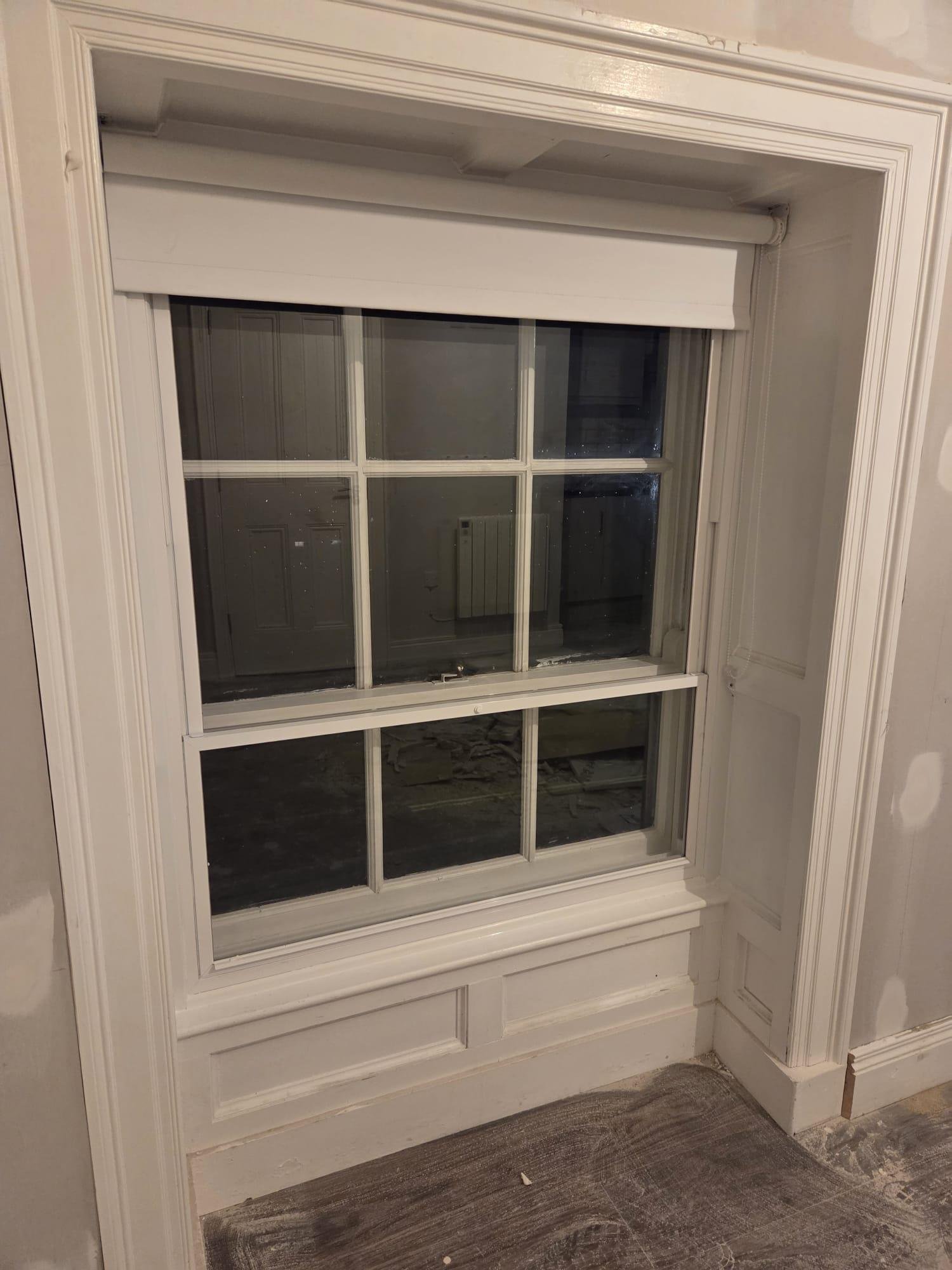
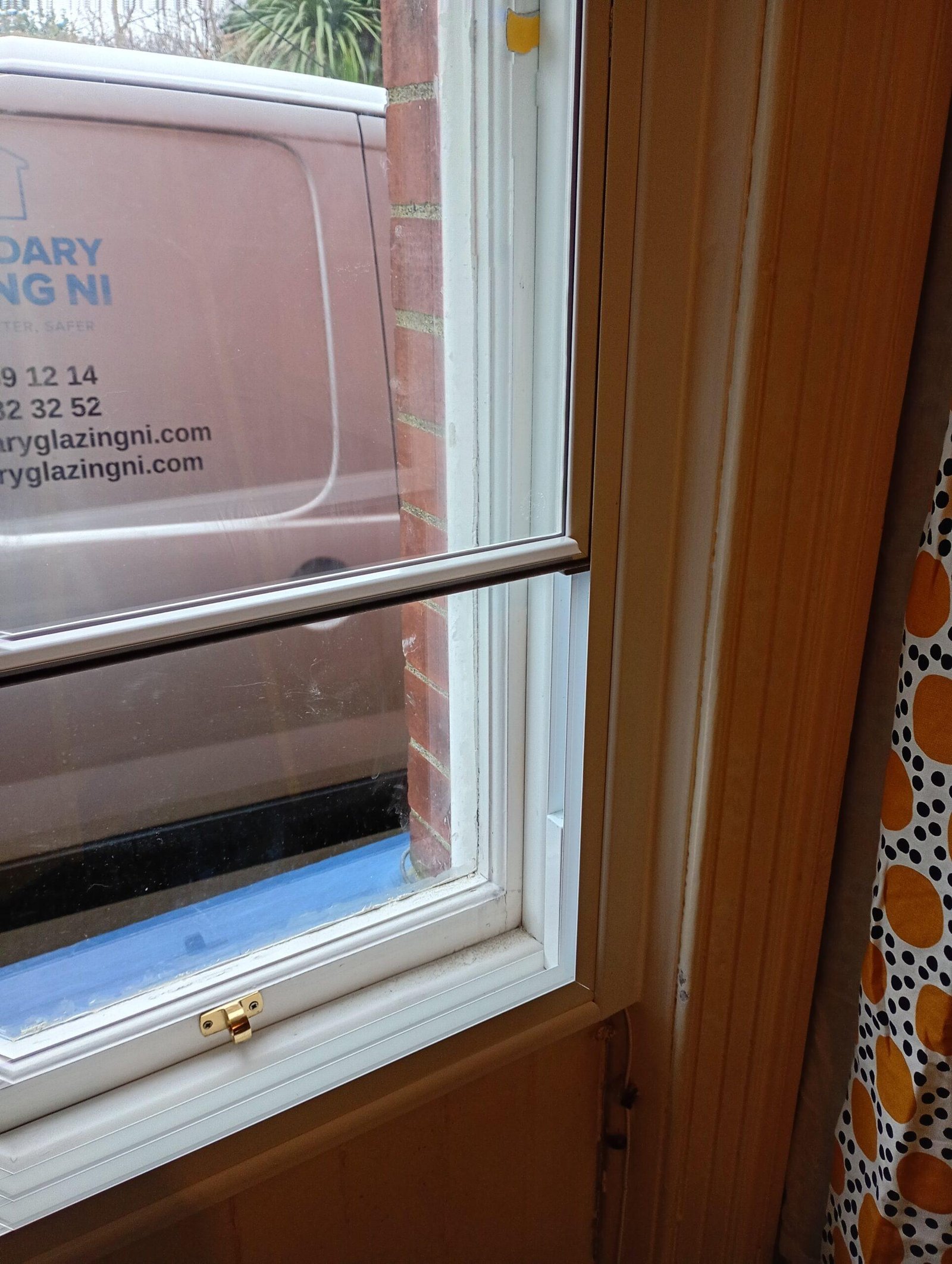
“I hear this a lot, especially with period homes. Modern secondary glazing is slimline, discreet, and colour-matched so it blends into the existing frame. Most customers tell us that after a week, they don’t even notice it’s there—except that your home is warmer and quieter.”
“Secondary glazing will require extra maintenance.”
Response:
“That’s fair — nobody wants more hassle. The good news is that the system is extremely low maintenance. The tracks don’t require lubrication and cleaning is the same as any normal pane of glass. We also design the units so you can easily access and clean the original window behind it.”
“Secondary Glazing add to condensation?”
Response:
“ When installed correctly, secondary glazing actually reduces condensation because the inner pane stays much warmer. We also build in ventilation where needed so moisture doesn’t get trapped. Most customers find condensation massively improves after installation.”
“Secondary glazing will reduce ventilation and window access.”
Response:
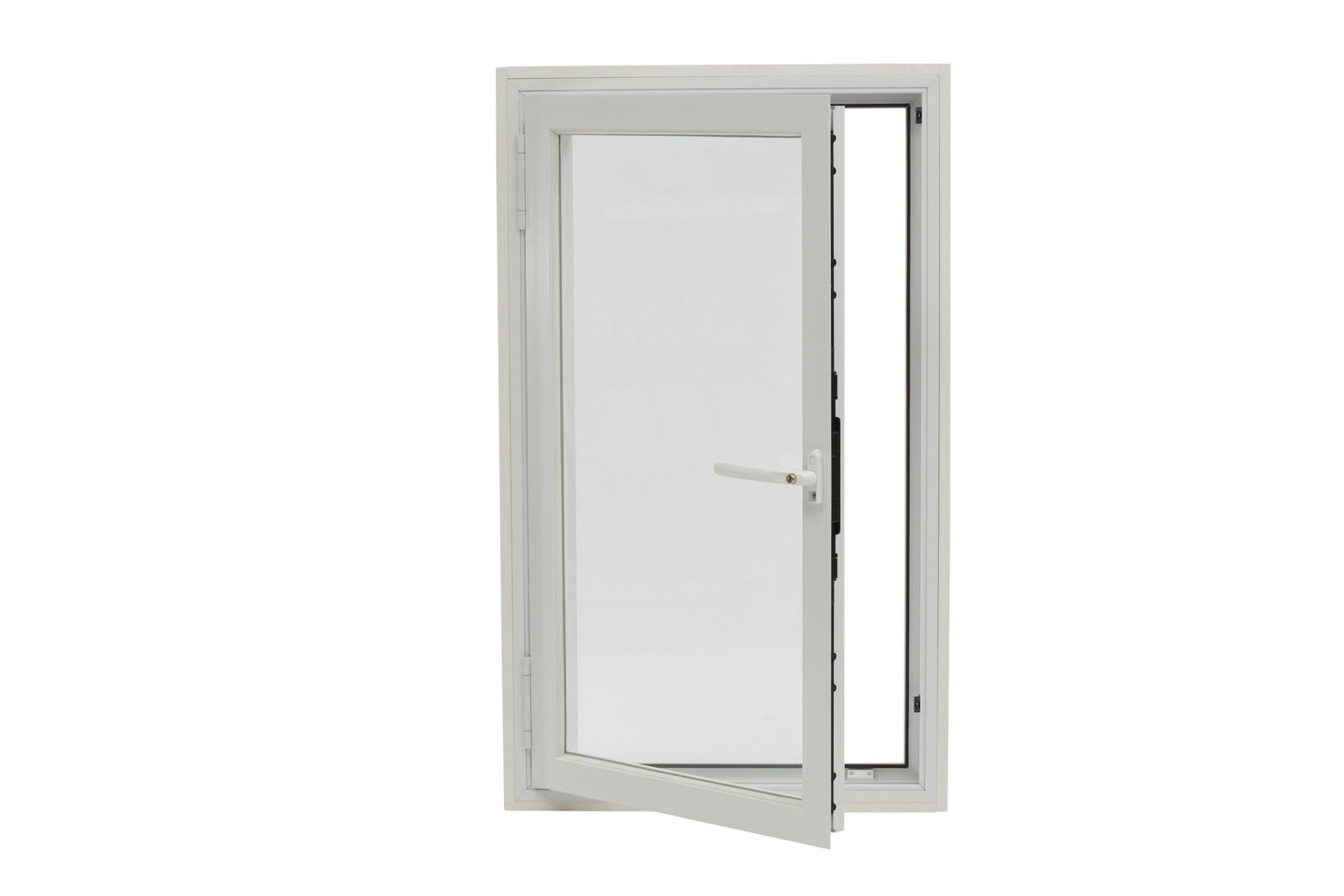
“That’s a valid concern. That’s why we choose an opening style that matches your window – sliding for sashes, hinged for casements, or lift out if you want full access. You’ll still be able to ventilate the room as normal; we just add a layer of insulation when it’s closed.”
“Will secondary glazing make the room feel smaller.”
Response:
“I get why it might seem that way, but the frames are only a couple of centimetres deep. Visually, it doesn’t come into the room enough to change how the space feels. Most customers don’t notice any difference in the room size — just improved warmth and quiet.”
“I’m moving soon / It’s not worth the investment.”
Response:
“Totally understandable. The advantage is that secondary glazing provides instant comfort: warmer rooms, lower noise, and reduced heating bills. It also adds to the property’s appeal for future buyers or renters because the original windows stay intact and upgraded. Even short term people find the benefits well worth it.”
“The noise and heat loss isn’t that bad at the moment.”
Response:
“No problem — but many people don’t realise how much energy or comfort they lose through existing glazing until they upgrade. Even a small improvement can make a room more usable, especially bedrooms and living areas. If it’s okay now, chances are you’ll be amazed at how. much more comfortable it becomes.”
“I’m worried installers will damage my original windows.”
Response:
“That’s a very common concern with heritage properties. Our installers are trained to work with original timber frames, and we use minimal, discreet fixings. Nothing we do affects the operation, structure, or appearance of your existing windows. Everything is fully reversible if needed.”
“I’ve heard secondary glazing doesn’t last.”
Response:
“I understand—older DIY systems gave secondary glazing a bad reputation. Modern units are completely different: aluminium frames, toughened or acoustic glass, and high-quality seals. They’re built to last decades with virtually no maintenance.